Case at a glance
- Client: French manufacturer of screws, bolts, anchors and fasteners (€35 million turnover)
- Product: Steel and stainless steel bought in China
- Order at risk: $600,000, with a $60,000 deposit already paid
- Asiaction services: supplier verification, inspection, order management, shipping control
- Outcome: Scam risk identified, supplier brought under control, order secured from inspection to loading
A French fastener manufacturer had already paid a $60,000 deposit on a $600,000 metal order when it asked Asiaction to inspect the goods before shipment. Before any inspection took place, our team found that the “supplier” was not who it claimed to be. Here is how the case unfolded, what gave the scam away, and what any importer can check before paying a Chinese metal supplier.
The client: a French bolt and fastener manufacturer
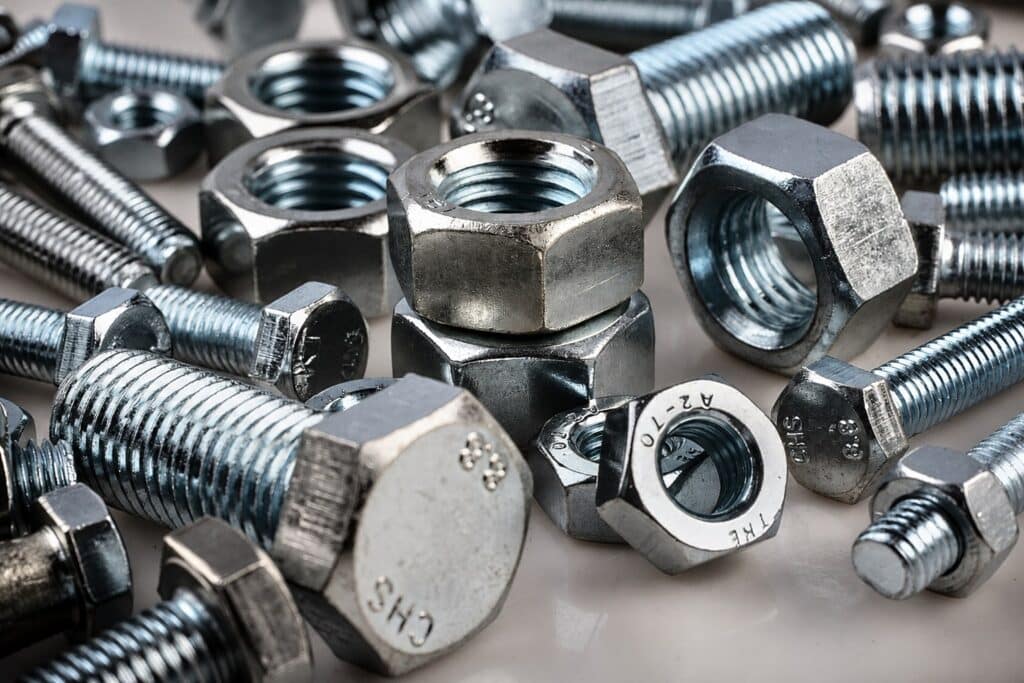
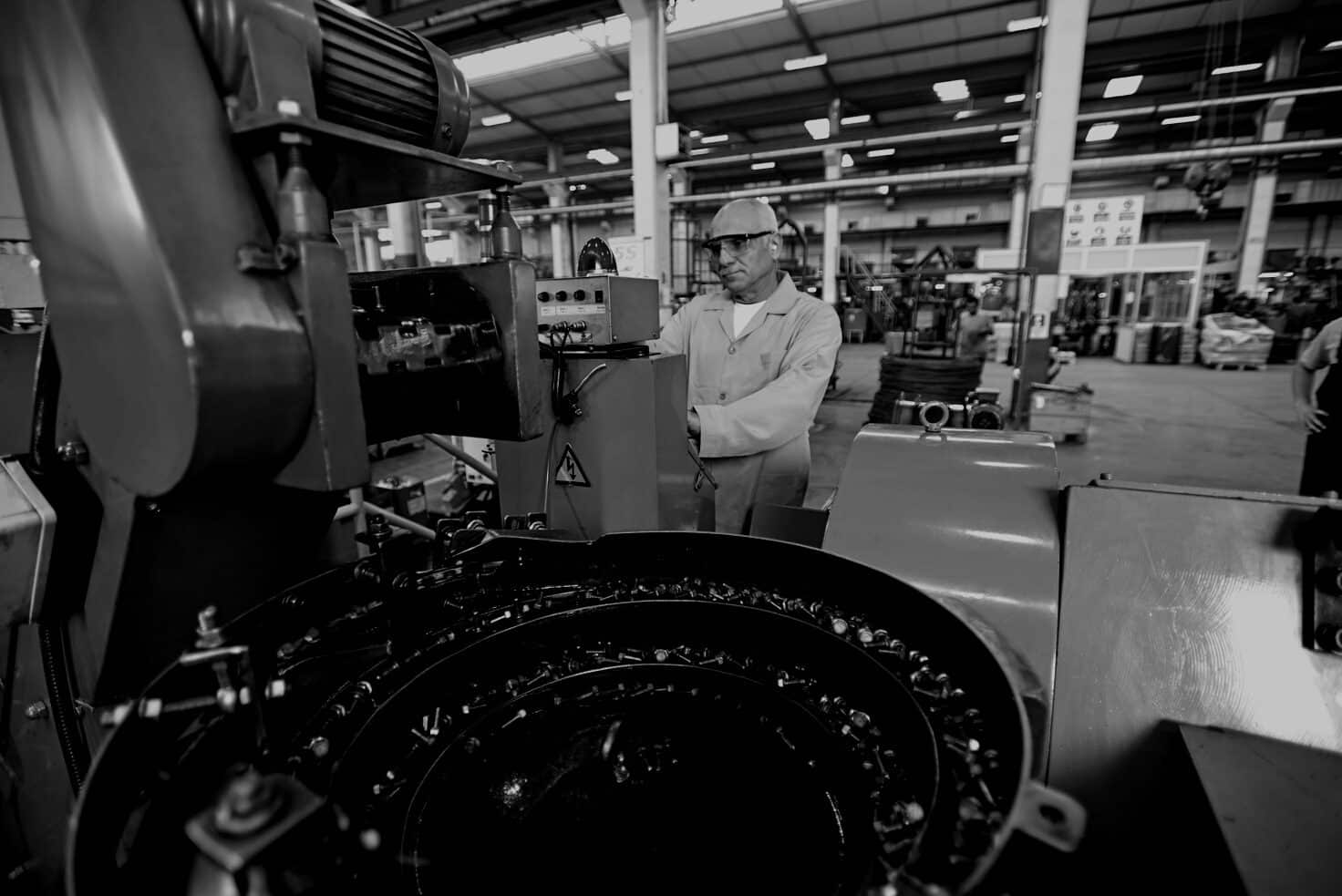
The client is a French company that produces small, medium and large series of screws, bolts, anchors and fixings, with an annual turnover of around €35 million. It processes all kinds of steel and stainless steel for demanding sectors: energy, agriculture, industry, construction, railways and wind power. Its parts are used in large infrastructure projects such as bridges, tramways, high-speed railways and subways.
To stay competitive, the company buys its raw metal in China. For a manufacturer working on safety-critical structures, the reliability of that metal supply, and of the documents that certify it, is not optional.
The challenge: a $600,000 order with a supplier claiming to be TISCO
The company had placed a $600,000 metal order with a Chinese company presenting itself as TISCO, the largest metal manufacturer in China. A $60,000 deposit had already been paid to start production.
The client then called on Asiaction for a simple, routine request: a quality control inspection of the production before it left China. But when our team reviewed the contract and the proforma invoice, several details did not add up, and we warned the client about our doubts on the reliability of the company.
The investigation: who is really behind the supplier?
Our experience with Chinese metal producers allowed us to confirm quickly that the company was not the TISCO group, despite what it claimed. We proposed an investigation to identify who the supplier really was, and whether the client was facing a scam.
A company registered in the Marshall Islands
Asiaction found that a bank account was indeed registered in China under the English company name used in the contracts. However, the company itself was not Chinese: it was registered in the Marshall Islands. In practice, this means that in case of a dispute, no Chinese court could intervene, and recovering the money would be impossible.

A supplier that refused to cooperate
After gathering this alarming information, Asiaction contacted the company directly. Very little information was given, and the most important piece was missing: the company’s Chinese legal name. What the supplier did say was not useful, and sometimes simply wrong. Above all, the company refused:
- to let Asiaction organize an audit of the production sites;
- to give the name and address of the actual manufacturer;
- to provide the address of its offices.
A genuine producer has no reason to hide its factory. This behaviour pushed us to dig further.
Five red flags raised by our experts
By calling the number listed on the supplier’s website, Asiaction obtained a Chinese company name. Comparing it with the English name revealed that the province was different from one language to the other. Researching the Chinese name further, we found that the firm had been set up by a person who had launched five companies in only two months, eight months earlier. In total, our experts listed five questionable points:
- A Chinese name that does not exist in the Chinese company registers.
- A recent website, created less than one year before.
- No landline number on the website or in the documents, only a Chinese mobile number.
- A 10% deposit, which is unusual in China, where suppliers normally ask for at least 30%.
- Inconsistencies across all the information collected.
A company audit carried out before working with this supplier would have highlighted every one of these points before any money was paid.
The solutions implemented by Asiaction
1. Taking back control of the situation
With the deposit already paid, the priority was to reduce the risk on the remaining $540,000. Asiaction set up several concrete actions with the Chinese supplier:
- direct communication with the company to verify its claims;
- verification of the balance payment terms, of the correct understanding and use of the chosen DDP Incoterm, and of who pays duties and taxes;
- clear explanation of the conditions of the upcoming inspection, and of how material certificates and test reports would be obtained and checked;
- preparation of the controls with Bureau Veritas: date and place, which tests would be carried out, and which tools and equipment had to be available on site.
2. Full management of the metal order
To secure the order until delivery, Asiaction then took over the complete management of the order:
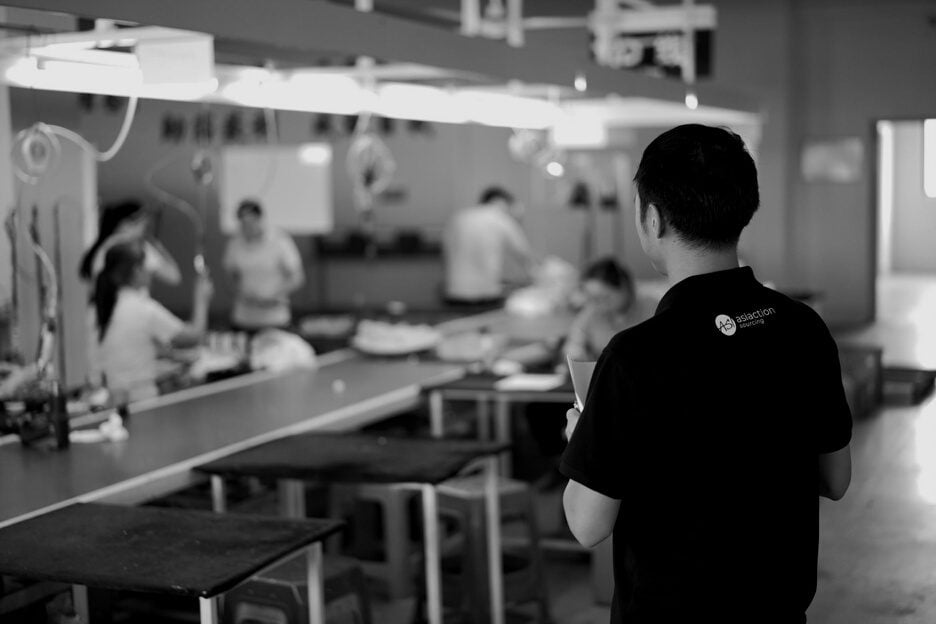
- On-site intervention alongside Bureau Veritas: follow-up of the tests and measurements on the stainless steel, and sampling for laboratory analysis;
- shipping of the samples, payment and follow-up of the analysis;
- follow-up with Bureau Veritas of the complete control of the goods, so that material certificates and test reports matched the client’s special technical specifications;
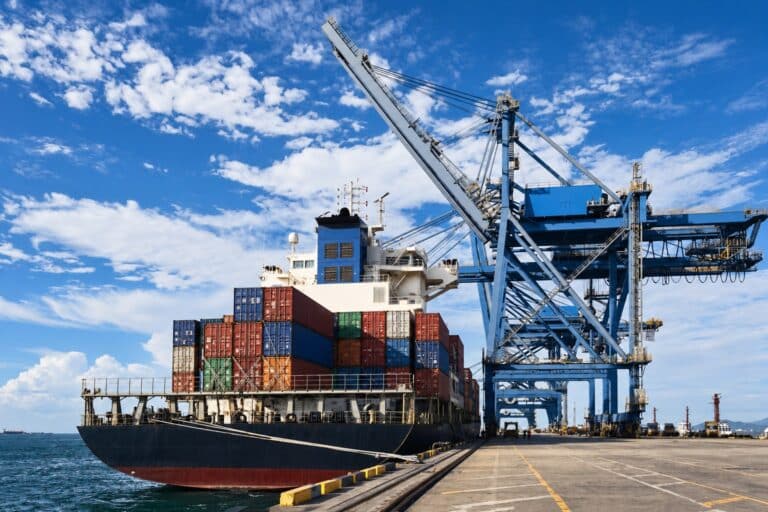
- freight: verification of the forwarders selected by the supplier, with alternatives from our own forwarding partners when needed;
- supervision of the container loading in line with the agreements made with the supplier, and validation of the sealed container;
- documentary control of the import procedures carried out by the chosen forwarder.
The results
- Risk identified in time: the client learned who it was really dealing with before paying the balance.
- Contact re-established with the supplier on clear terms: payment conditions, Incoterm, inspection and documents.
- Complete management of the order, from third-party testing to the sealed container and import documents.
- Secured purchases for a company whose products go into bridges, railways and wind turbines.
How to check a Chinese metal supplier before paying a deposit
Scams remain rare in China. Most problems our clients face are about specifications and product quality. But some companies do take advantage of the distance. Before you pay a metal supplier, a few checks go a long way:
- Get the Chinese legal name and the business license. Every company registered in mainland China has a Chinese name and a unified social credit code. Check them in the official national enterprise credit register, and make sure they match the contract.
- Match the bank account to the company. The beneficiary of your payment should be the same legal entity as the one on the contract, ideally in mainland China. An offshore entity (Marshall Islands, BVI, Seychelles…) is a serious warning sign.
- Verify any claimed link to a big group. Large steel producers sell through identifiable subsidiaries and authorised distributors. If a seller says it is a major mill, ask for proof and verify it independently.
- Ask to visit or audit the production site. A real manufacturer will accept an audit. Refusing to name the factory or give an address is a red flag.
- Be wary of unusual payment terms. Terms that are too good, such as a very low deposit on a large order, can be a way to make a first payment feel low-risk.
- Require material certificates and independent testing. For steel and stainless steel, ask for mill test certificates (for example EN 10204 3.1) and have samples tested by a third party before shipment.
Conclusion
This case shows how a routine inspection request turned into a scam investigation. Had the client verified the company before signing, the five red flags would have appeared before any deposit was paid. When you buy in China, getting information about your supplier before placing an order avoids unpleasant surprises, and situations without recourse.
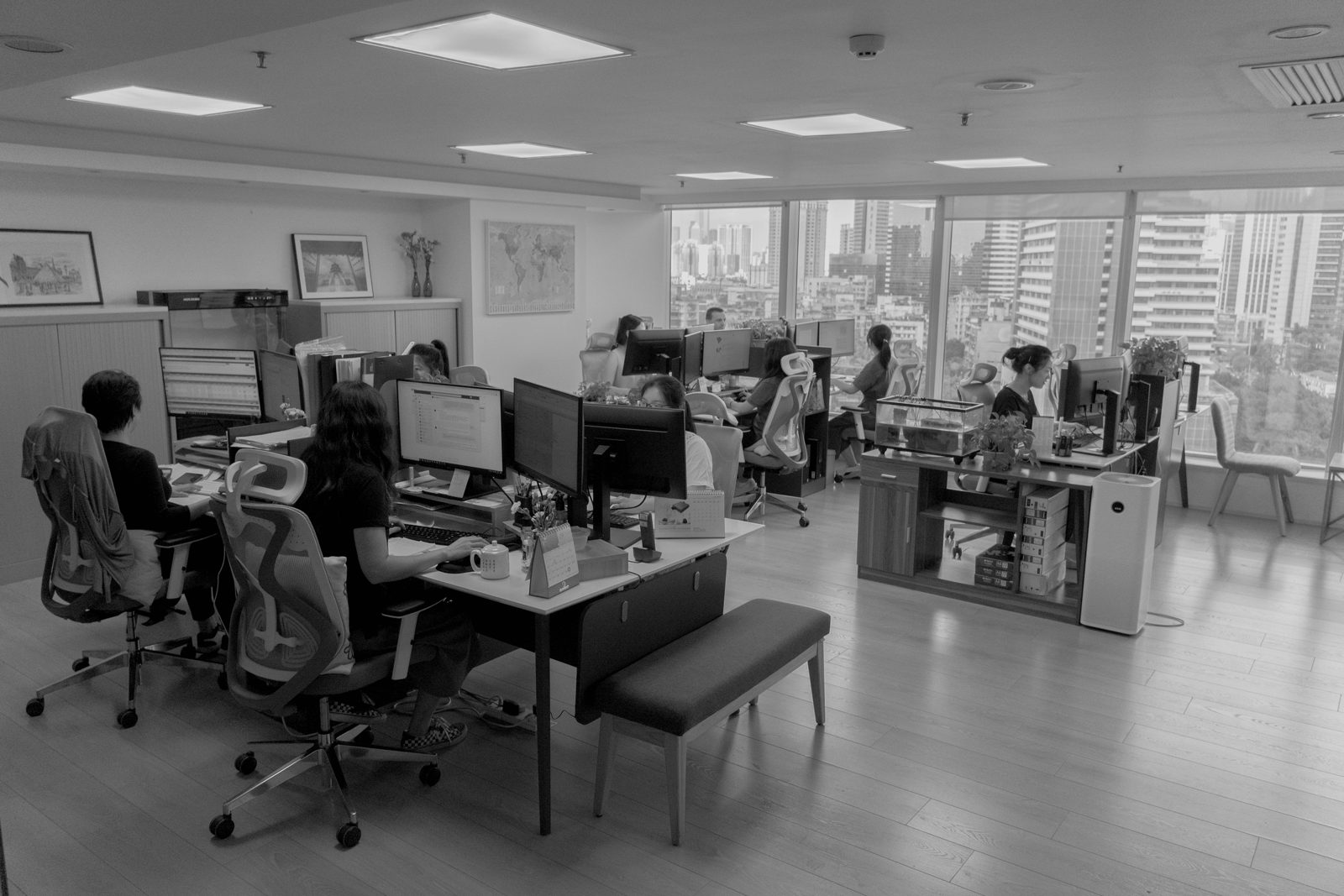
An outsourced purchasing office in China such as Asiaction helps you manage, secure and simplify your purchases, from supplier sourcing to shipping.
Not sure about a Chinese supplier?
Our team in China can verify a company before you pay a deposit: legal registration, real address, production capacity and legal records.
FAQ
How common are supplier scams in China?
They are rare compared with quality and specification issues, which cause most problems in China sourcing. But when they happen, they usually target buyers who paid a deposit without verifying the company.
What deposit is normal when ordering from a Chinese supplier?
A deposit of around 30% at order, with the balance before shipment, is common. In this case, a 10% deposit on a $600,000 order was one of the warning signs.
Can Asiaction help if I have already paid a deposit?
Yes. As in this case, we can investigate the supplier, re-establish clear terms, organise third-party inspections and manage the rest of the order to limit your risk.