Case at a glance
- Client: French importer
- Product: A full container of toys bought through a Chinese trader, some of them containing batteries
- Problem: The trader disappeared after payment; the container was shipped without proper import documents and blocked by customs in a French port
- Asiaction services: tracing the actual manufacturers, collecting certificates and test reports, support on the shipping and import file
- Outcome: Required documents handed to customs, container released, destruction of the goods avoided
A French importer paid a Chinese trader for a full container of toys, then watched the trader vanish before the goods had even left China. The container eventually sailed, but nobody had prepared the documents needed to import it into France. It was stopped by customs on arrival at a French port, storage costs started to pile up, and the destruction of part of the cargo was on the table. Here is how Asiaction helped unblock it, and what every toy importer should prepare before shipping from China.
The background: a trader who was paid, then disappeared
It all started with the purchase of a complete container of toys from a Chinese trader. The client paid for the order; the trader bought the different items and gathered them in a warehouse in China. At that stage, no serious check of the compliance documents had been made with the manufacturers. And part of the toys contained batteries, which also made the transport more complex to organise.
Once paid and with the goods purchased, the trader realised that exporting such a mixed cargo would be harder than expected. Instead of dealing with these difficulties, he withdrew from the operation and stopped answering the client. He took no part in the export.
Having already paid for the goods, the client had to find a way to get them out of China on his own. He had the entire stock moved to another warehouse at his own expense and hired a local freight forwarder he did not know. The forwarder managed to ship the container, but without carrying out the document checks that were essential for its arrival in France.
Arrival in France: nobody in charge of the import
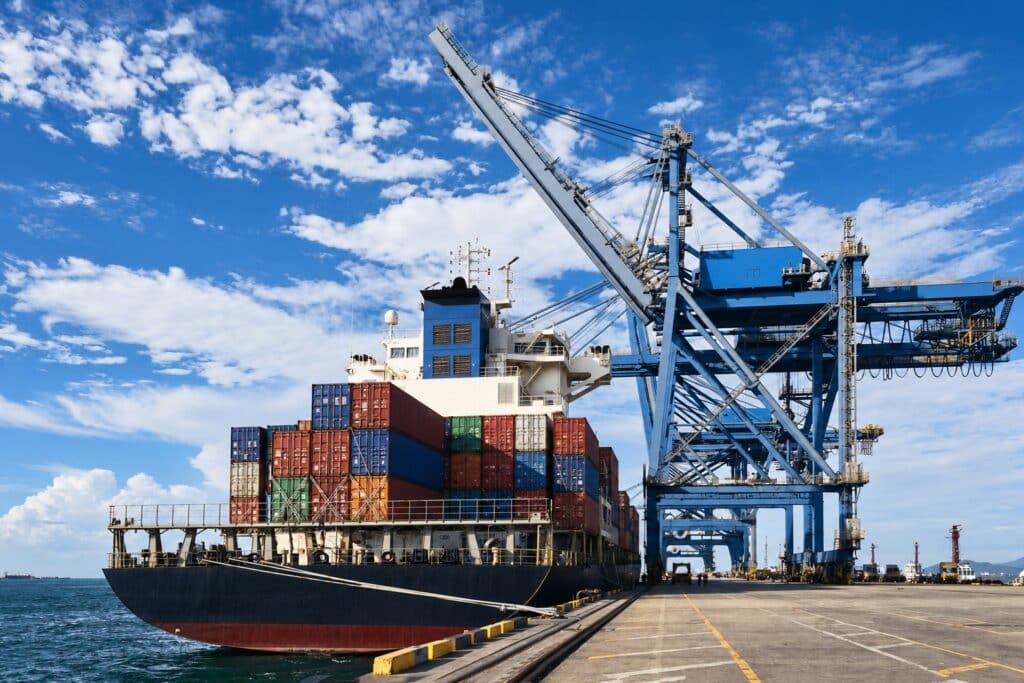
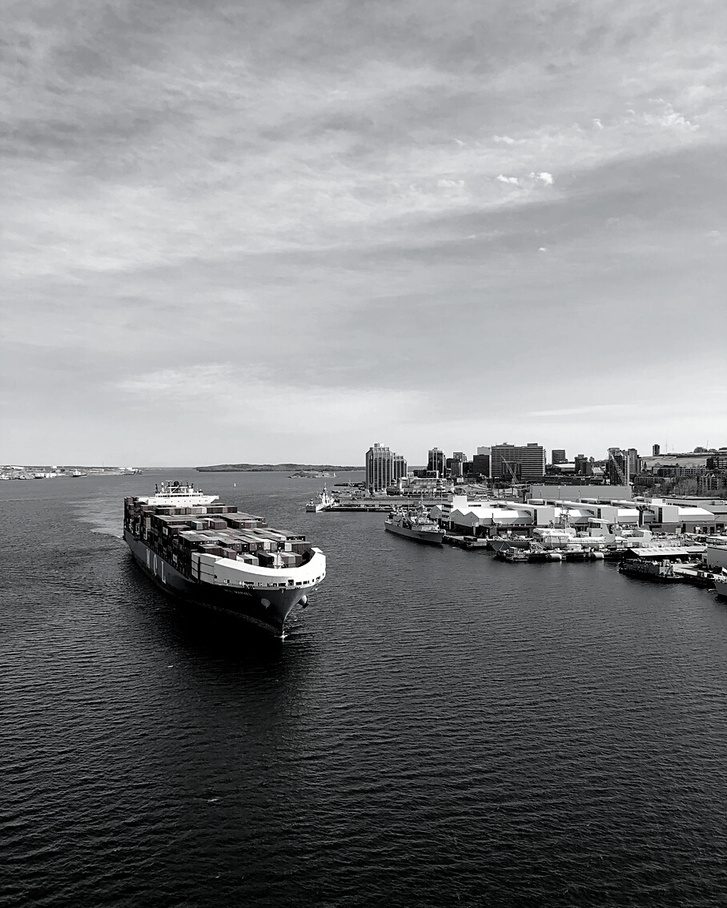
When the container reached a French port, things got worse. No one had really prepared the import side of the operation or put together a complete document file. Customs asked for the certificates and test reports of several toys, and many of them were missing. Without sufficient evidence, the container was blocked.
The original trader was no longer responding, and the forwarder found in China could not solve compliance problems at destination. Meanwhile, every day spent in port added new demurrage and storage charges.
The client was also facing a particularly costly scenario: the container being opened and unloaded for a thorough inspection, and the possible destruction of the toys for which the required documents could not be produced. Having already paid for the products, the transfer between warehouses and the shipping, he risked losing part of his goods while paying even more.
Five mistakes that led to the blockage
Looking back, the blocked container was not the result of a single error, but of several decisions that added up:
- Paying an intermediary in full before the export had been organised and secured.
- No check of compliance documents with the manufacturers before the toys were bought.
- A mixed cargo including battery-powered toys, with no anticipation of the transport constraints this creates.
- A forwarder chosen in a hurry, unknown to the client, who shipped without checking the documents needed at destination.
- Nobody in charge of the import: no complete document file was ready when the container reached France.
The rescue call: Asiaction steps in urgently
Overwhelmed and with no solution from his previous contacts, the client asked Asiaction to help unblock his container. Our team in China took over the document side of the case:
- identifying the manufacturers of the items concerned;
- talking to them directly;
- collecting the certificates and test reports requested by French customs.
The key point was to find documents that actually matched the products inside the container, and not generic statements with no proven link to the items imported. With this approach, Asiaction helped the client gather the evidence needed to answer the authorities’ requests.
Getting a container out of China does not mean the goods will be allowed into Europe. For toys, the compliance documents must match the exact products, and they must be ready before the container sails.
The results
- Documents delivered to customs: with Asiaction’s help, the client provided the required documents for the products concerned.
- Container released: the deadlock was broken and the blockage ended.
- Goods saved: the destruction of the toys, considered in the absence of evidence, was avoided.
Importing toys from China into the EU: what to prepare before shipping
Toys are one of the most closely regulated consumer products in the European Union. The importer placing them on the EU market carries legal obligations, whatever the supplier promised. Before you pay and ship, a few checks make the difference:
- Know the rules that apply. Toys sold in the EU must comply with the Toy Safety Directive 2009/48/EC (which is being replaced by a new EU Toy Safety Regulation, with a transition period), as well as with chemical rules such as REACH. Toys with electronics or batteries are also covered by other texts, such as the rules on batteries and electrical safety.
- Ask for test reports for each item. The EN 71 standards are the usual reference: EN 71-1 (mechanical and physical properties), EN 71-2 (flammability) and EN 71-3 (migration of certain elements). Electric toys are generally tested to EN IEC 62115. Check that the reports are recent, issued by a recognised laboratory, and that the product name, reference and photos match what you are buying.
- Get the EU declaration of conformity and check the CE marking. Each toy needs a declaration of conformity and a visible CE marking, plus warnings and instructions in the language of the country of sale. As the importer, your name and contact address must also appear on the toy or its packaging, and you must keep the declaration available for the authorities.
- Anticipate battery transport rules. Lithium batteries, whether packed with or inside a toy, are regulated as dangerous goods for sea and air freight. Forwarders and shipping lines usually ask for a safety data sheet and a UN 38.3 test summary, and the goods must be declared and packed accordingly. Mixing battery-powered toys into a general cargo without this preparation can block the booking or the shipment.
- Deal with the real manufacturers. A trader can be useful, but the documents come from the factories. Make sure you know who produces each item, and ask for an audit or verification of the supplier when in doubt.
- Check documents and goods before shipment. A pre-shipment inspection confirms that the products, markings and packaging match the test reports, before the balance is paid and the container is loaded.
- Prepare the import file with your forwarder. Commercial invoice, packing list, bill of lading, and compliance documents should be reviewed together before departure, so that customs requests at the French port can be answered immediately.
These checks take time and sometimes cost money. But that cost is usually far lower than the possible consequences of a container held in port: storage, handling, extra inspections, delays and, in the worst cases, destroyed goods.
Conclusion
This case shows how quickly mistakes pile up when no partner manages the operation from start to finish: a paid trader who walks away, transport organised in a rush, then an import with no document preparation. For toys, especially those with batteries, the applicable compliance documents and transport constraints must be checked before buying and before shipping.
Our advice: choose a reliable partner from the start, one who checks suppliers and documents before the order and coordinates the critical steps of the shipment. That is how apparent savings at the start avoid turning into major costs on arrival. Asiaction supports importers from supplier sourcing to order management and shipping.
Importing products from China?
Asiaction helps importers qualify suppliers, check documents, inspect goods and follow shipments. Have your project checked before you order: good prevention can avoid a costly crisis at destination.
FAQ
Why can customs block a container of toys from China?
Toys are subject to strict safety rules in the EU. If the importer cannot provide the certificates and test reports proving that the toys comply, the authorities can hold the container, order further inspections and, in some cases, refuse or destroy the goods.
Which documents should I get before shipping toys from China?
At minimum, test reports for each item (typically EN 71, plus EN IEC 62115 for electric toys), the EU declaration of conformity, proof of correct CE marking and labelling, and, for toys with lithium batteries, the documents required to transport them as dangerous goods. They must match the exact products you are buying.
Can Asiaction help if my container is already blocked?
Yes. As in this case, our team in China can trace the manufacturers, contact them directly and collect the documents matching your products. The best option, though, is to check everything before shipping.