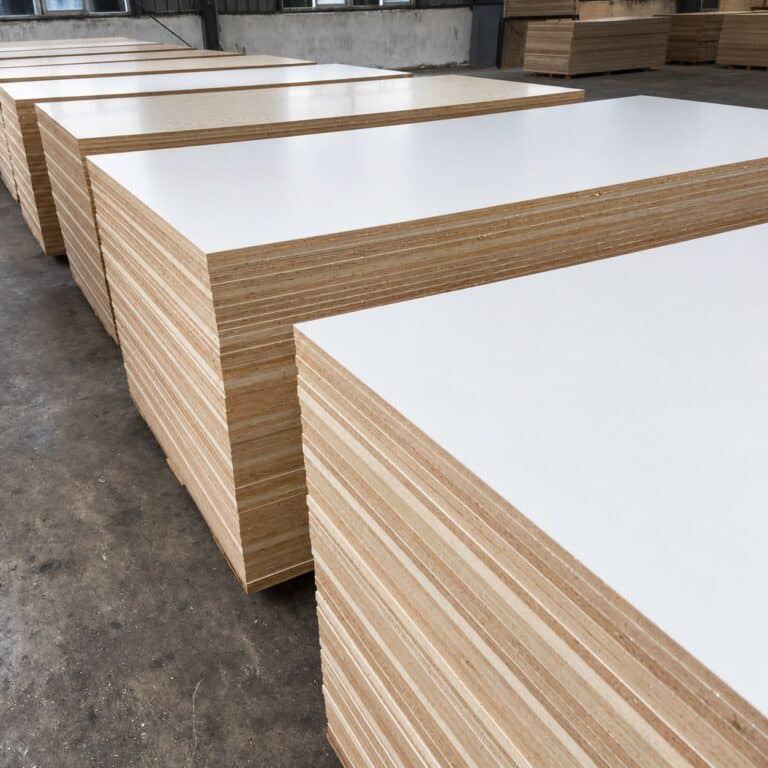

Case at a glance
- Client: One of the Caribbean’s leading home furnishings retailers (indoor and outdoor furniture, home decor)
- Products: Sofas, chairs, tables, loungers, outdoor furniture, wooden shelves, shopping baskets and kitchen equipment bought in China
- Stakes: Communication problems with a Chinese supplier and a need to secure quality on furniture sourced directly from China
- Asiaction services: inspection, supplier check-up, order management, shipping assistance
- Outcome: Supplier issues solved on site, furniture checked before shipment, and a long-term partnership covering orders and shipping
A leading Caribbean furniture retailer was buying its furniture in China on its own, but its supplier was hard to reach and slow to respond. It first asked Asiaction for a single inspection. Several years later, we manage several of its orders, check its suppliers and organise its shipments. Here is how the collaboration grew, what we inspected, and what any retailer should know before importing furniture from China.
The client: a Caribbean home furnishings retailer
The client is one of the leading home furnishings retailers in the Caribbean. It mainly sells indoor and outdoor furniture, as well as home decor items.
The company sources its furniture from China by itself. It has buying experience and its own suppliers, but it needed help with certain stages of its purchases: the ones that are difficult to handle from the other side of the world.
The challenge: communicating with a furniture supplier in China
The retailer first contacted Asiaction because it was having communication problems with its Chinese supplier. It was not only a language issue. Cultural differences played a part, the two sides did not really understand each other, and the supplier was not responding in time.
Poor communication, or a misunderstanding of the requirements, is one of the most common causes of defective goods. For a retailer, that means furniture arriving in the wrong size, finish or quantity, with no easy way to fix it once the container has left China.
The company was therefore looking for two things:
- security, through product inspections and factory audits;
- an agent in China who could simplify communication and intervene directly on site to clear things up.
Buying in China is not a bad option. Problems usually appear when the process is not mastered, or when distance prevents reliable communication with the supplier.
The solutions implemented by Asiaction
1. Furniture inspections in China
The retailer wanted to secure its furniture supply, so we started with our inspection service. The goal is simple: make sure the products meet the requirements and correct potential errors before the goods leave the factory.
Since then, we have carried out many product inspections for the company, on a wide range of items:
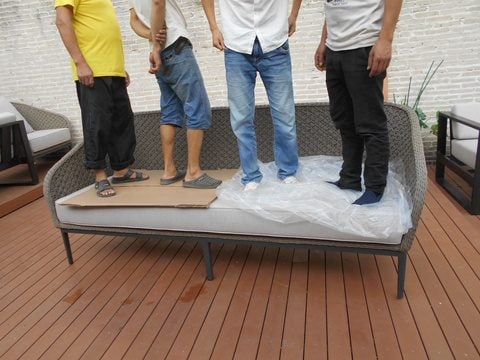
- armless sofas, sofas, coffee tables, side tables, loungers and single chairs;
- outdoor furniture;
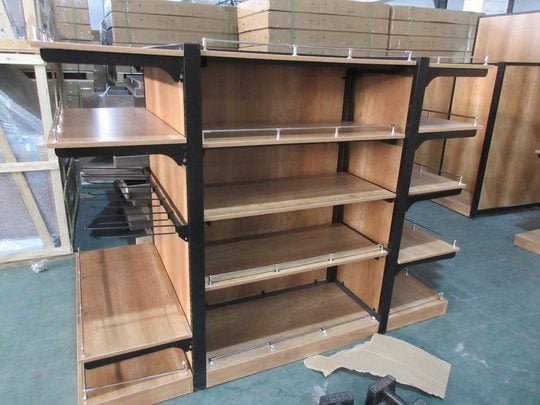
- wood and metal combined shelves and multi-tier display tables;
- shopping baskets with wheels and extending handle, and hand baskets.
During each inspection, our inspectors check the quantities, the workmanship, the product specifications, the measurements, the marking and the packing.
2. Order management for furniture and kitchen equipment
After working with our inspection team, the retailer started to buy products through us, letting Asiaction handle its orders in China. Our order management service covers every step:
- order preparation;
- production monitoring;
- anticipation and correction of problems;
- final product inspection;
- packing and loading supervision;
- shipping preparation;
- delivery follow-up;
- after-sales assistance.
Today we pilot and secure the client’s purchases in three product families:
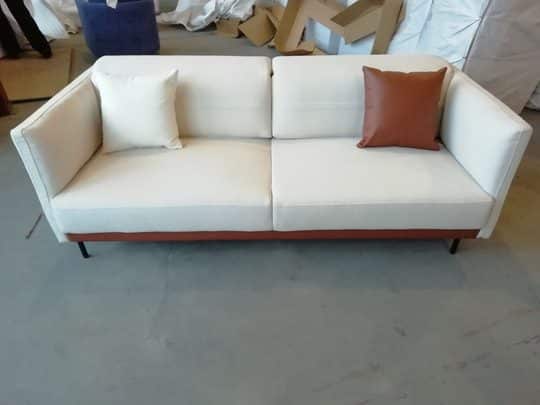
- Sofas and chairs: chair sofas, sleeper sofas, seater sofas and armchairs;
- Outdoor furniture: sofas, coffee tables, dining tables, chairs, loungers, side tables and round sunbeds;
- Kitchen equipment: chillers, freezers, temperature showcases, gas ovens and ice makers.
3. Shipping assistance from China
The retailer also asked us to act as its forwarder and organise its shipments. With our shipping assistance, we:
- obtain the best shipping rates;
- communicate with suppliers and carriers;
- have the carriers prepare the shipments.
Alongside these services, the company also uses our supplier check-up to assess the factories it works with.
The results
- Supplier problems solved: a local team now communicates with the Chinese supplier and intervenes on site when needed.
- Furniture checked before shipment: quantities, workmanship, specifications, measurements, marking and packing.
- Several orders managed end to end, from order preparation to delivery follow-up and after-sales assistance.
- Simpler logistics: shipments organised with carriers, at negotiated rates.
- A long-term partnership: from one inspection request several years ago to a complete import solution.
How to import furniture from China safely: practical advice
China is the world’s largest furniture exporter, and many retailers buy there directly. The problems we see most often are not scams but quality, specification and communication issues. A few habits make a big difference.
Write detailed product specifications
Most furniture disputes start with a vague order. Specify dimensions with tolerances, materials (wood species, frame material, foam density, fabric reference), colours and finishes, hardware, labels and packing. Approve a pre-production sample and keep it as the reference for the inspection.
Check your market’s regulations
Requirements depend on the destination market. Depending on where you sell, you may face rules on upholstery flammability, formaldehyde emissions from wood panels, timber legality and treatment of solid wood, or the stability of storage furniture. For electrical equipment such as chillers or ice makers, check the voltage, plug type and electrical certification required in your country. Ask the supplier for test reports from a recognised laboratory, and verify that they match your exact product.
Inspect furniture before it leaves the factory
A pre-shipment inspection is your last chance to correct defects at a reasonable cost. For furniture, a good inspection covers quantities, measurements against the specification, workmanship (joints, stitching, scratches, paint and varnish), stability and load tests, function of moving parts, assembly with the supplied hardware, marking and carton condition. For large or new orders, a during-production inspection catches problems earlier.
Pay attention to packaging
Furniture travels for weeks in a container, often through humid climates. Ask for corner and edge protectors, foam or bubble wrap on finished surfaces, export-grade cartons and, for solid wood, attention to moisture. Carton drop tests during inspection show whether the packing will survive handling. Clear marking also makes reception and stock management easier in your warehouse.
Optimise container loading
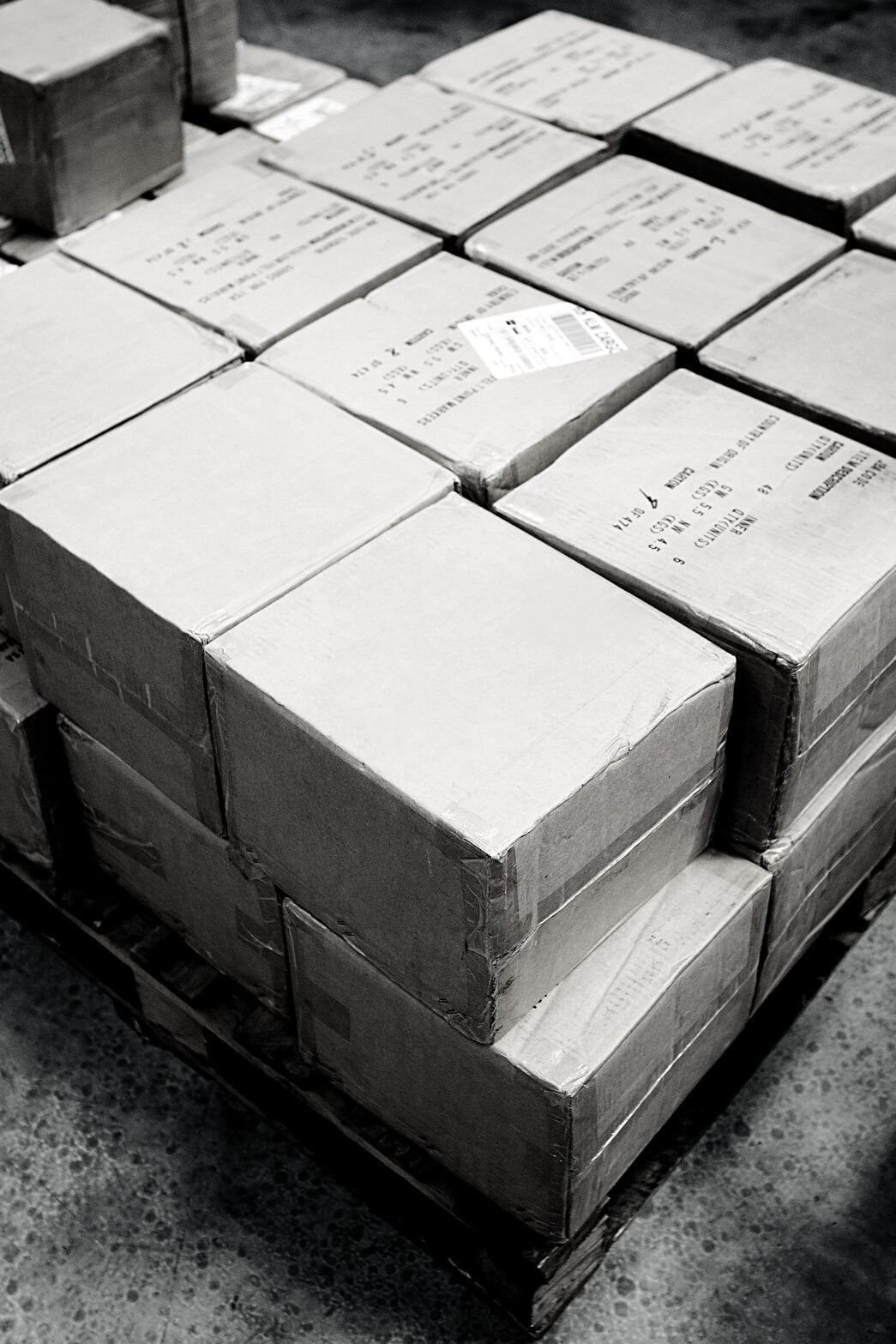
Furniture is bulky, so freight cost per item depends heavily on how well the container is filled. Plan the loading with carton dimensions, consider knock-down designs when they suit your products, and supervise the loading to avoid crushed cartons and poorly secured goods. Check the container’s condition and record the seal number.
Consolidate several suppliers in one container
A retailer rarely buys everything from one factory. Sofas, outdoor furniture and shop fittings often come from different suppliers and cities. Consolidating them in one container reduces freight costs and simplifies customs clearance, but it requires coordinating production dates, inspections and deliveries to the loading point. This is where a local team, like the one that manages this client’s orders, saves a lot of time.
For buyers focused on this sector, Asiaction also runs a dedicated furniture site, asiactionfurniture.com.
Conclusion
This case shows how a furniture retailer with its own suppliers in China solved its communication problems and secured its purchases step by step. It started with one inspection, then added order management, supplier check-ups and shipping assistance as needs grew.
Problems usually appear when the process is not mastered or when distance makes communication unreliable. An outsourced purchasing office in China such as Asiaction gives you a team on site to manage, secure and simplify your purchases, from supplier sourcing to shipping.
Importing furniture from China?
Our team in China can inspect your furniture, manage your orders with one or several suppliers and organise your shipments.
FAQ
What is checked during a furniture inspection in China?
In this case, our inspectors checked quantities, workmanship, product specifications, measurements, marking and packing. Depending on the product, an inspection can also include stability, load and function tests.
Can Asiaction help if I already have my own furniture suppliers in China?
Yes. This client sourced its furniture on its own. We stepped in for the stages it could not handle from abroad: communication with the supplier, inspections, supplier check-ups, order follow-up and shipping.
Can I ship products from several Chinese suppliers together?
Yes. Goods from different factories can be consolidated in one container. It needs coordination of production, inspections and deliveries, which our order management and shipping teams handle for you.